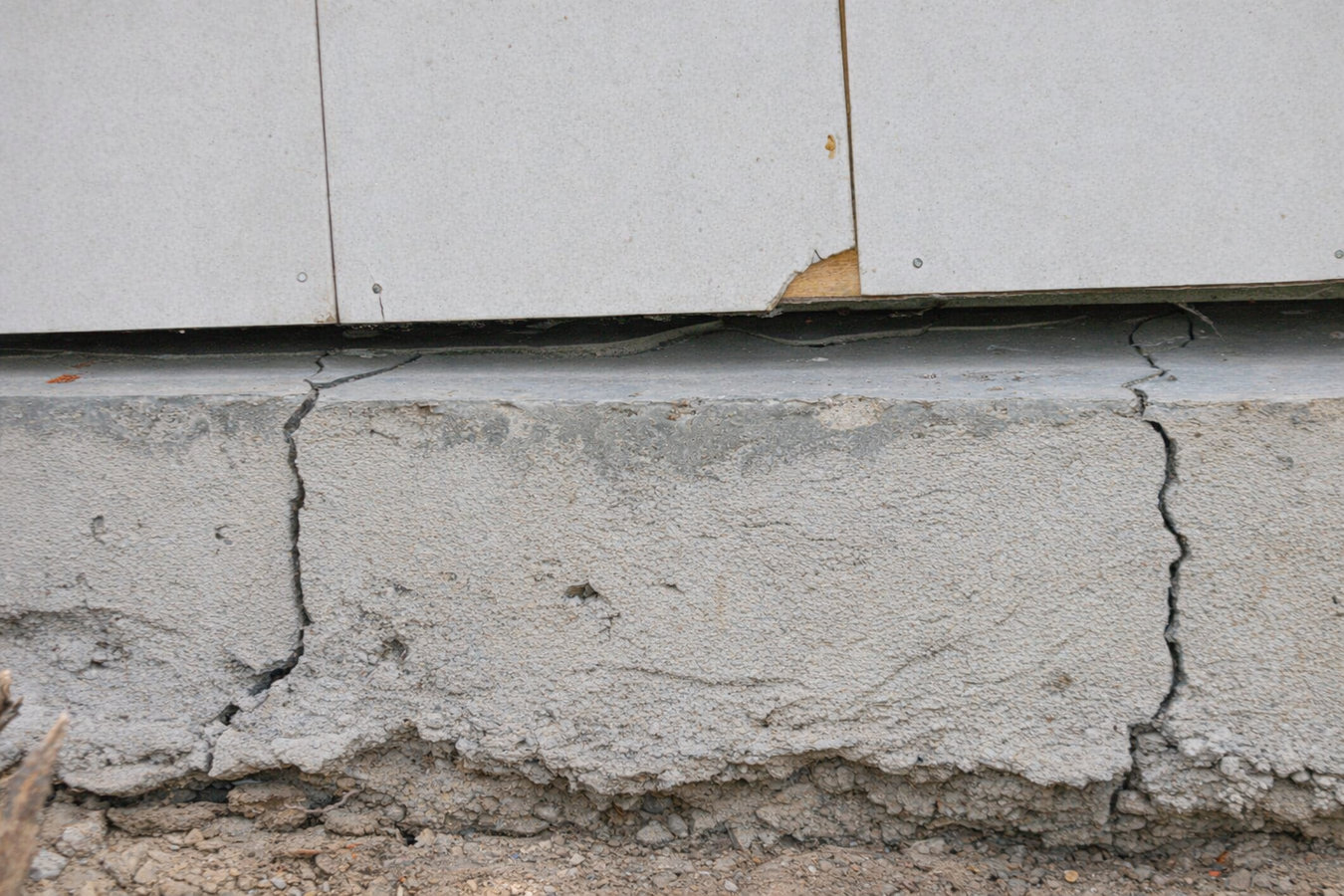
Is your concrete slab or foundation sinking? We lift settled slabs back to level in Pittsburg, identify the soil problem that caused it, and patch everything clean - so the fix actually holds through the next rainy season.
Foundation raising in Pittsburg, CA is the process of lifting a sunken or uneven concrete slab back to its original level position by pumping material underneath it through small drilled holes - most residential jobs take one to two days from start to finish, with a 24 to 48 hour curing period before you can use the area again.
The two main methods are mudjacking, which pumps a cement-and-soil slurry beneath the slab, and polyurethane foam injection, which uses a lightweight expanding foam. Both can work well - the right choice depends on your soil conditions and how much the slab has moved. Pittsburg sits on expansive clay soil that swells in winter and shrinks in summer, and that seasonal movement is one of the leading reasons foundations and slabs settle here. Homes built in the 1950s through 1970s are particularly prone to this because original soil preparation was less rigorous than modern standards require.
Foundation raising is closely related to other structural work. Homeowners dealing with severe settling sometimes need slab foundation building to replace what cannot be lifted, or start with concrete cutting to remove sections that are too far gone before the lifting work begins.
If your interior doors or windows start sticking or dragging in late fall or early winter, that is often a sign the foundation beneath your home has shifted. In Pittsburg, the first heavy rains after a dry summer can cause clay soils to swell unevenly, pushing parts of the foundation up or pulling others down. This is one of the earliest and most noticeable signs that something is happening below the surface.
Walk around your garage or any room with a concrete slab floor and look for a gap between the floor and the wall. Even a gap the width of a pencil is worth paying attention to - it means the slab has dropped away from the structure above it. That gap will only grow if the underlying soil continues to shift.
If you place a marble on the floor and it rolls on its own, or if you feel a noticeable slope when walking, the slab beneath you has likely settled unevenly. This is especially common in Pittsburg homes built in the 1960s and 1970s, where original soil preparation was minimal and the concrete has now had decades to move.
Look at the drywall or plaster above your door frames and window corners. Diagonal cracks radiating from those corners - especially if they have appeared or grown in the past year - are a classic sign of foundation movement. These cracks appear because the structure above is flexing as the foundation shifts beneath it.
We handle residential foundation raising for sunken driveways, garage slabs, porches, walkways, patios, and structural home foundations. Every job starts with identifying the cause of the sinking - not just filling the void and leaving. We use both mudjacking and polyurethane foam injection, selecting the method based on your specific soil conditions, how far the slab has moved, and how quickly you need the area back in use. Foam injection is often the better fit for lower-lying properties near Pittsburg's waterfront and Delta-adjacent neighborhoods, where soil can remain soft or saturated; mudjacking has a strong track record on the well-drained flatland and hillside homes across the rest of the city.
After lifting, we patch every drill hole with fresh concrete so the surface is clean and functional. When the root cause involves drainage or soil that needs correction, we will tell you clearly what else needs to happen so the repair lasts. This work often pairs with slab foundation building on jobs where part of the slab can be raised and part needs full replacement. The U.S. Geological Survey tracks land subsidence nationally - including research relevant to Bay Area clay soils - at usgs.gov.
Best for homeowners who want a cost-effective solution with a long track record on stable, well-drained soil in Pittsburg's flatland and hillside neighborhoods.
Suits properties with soft, saturated, or Delta-adjacent soil where a lighter lifting material cures faster and adds less weight to compromised ground.
For homeowners dealing with a settled garage slab, sunken porch, or home foundation that needs to be lifted and documented with a permitted repair.
Pittsburg and the surrounding Contra Costa area sit on clay-heavy soils that swell when wet and shrink when dry - and the region's Mediterranean climate, with dry summers pushing into the 90s and concentrated winter rainfall from November through March, makes that cycle severe. Every year, that expansion and contraction works at the soil beneath concrete slabs, and it is the single biggest reason foundation settling is so common here. Homeowners in older neighborhoods built in the 1950s through 1970s are especially likely to deal with this because the original soil preparation under those slabs was minimal. Pittsburg's proximity to the Sacramento-San Joaquin Delta also means parts of the city near the waterfront sit on lower-lying land where groundwater levels rise in wet seasons, softening the soil beneath foundations over time.
Whether you are near the marina in waterfront Pittsburg or out in one of the newer hillside subdivisions on the east side of town, we know how local soil conditions affect foundation stability in each part of the city. Homeowners in nearby Antioch and Brentwood deal with the same clay soil and climate patterns, and we serve those communities regularly as well.
When you call, we ask a few basic questions - where the problem is, what you have noticed, and how long it has been going on. You do not need to know the technical details; just describe what you see. We reply within one business day and schedule a free site visit.
We walk the affected area with you, check for cracks, measure how far things have shifted, and look for the cause - drainage patterns, nearby trees, signs of water damage. The visit ends with a clear written estimate explaining what we recommend and why, at no charge.
If your job requires a permit from the City of Pittsburg Building Division, we handle pulling it before work begins. Once permits are in order, you get a specific work date - not a vague week - so you can plan around it. Structural foundation work typically requires a permit and inspection.
The crew drills small holes through the concrete, pumps the lifting material underneath, and monitors the slab as it rises back to level. Once it is level, holes are patched with fresh concrete. After the work, stay off the area for 24 to 48 hours for mudjacking, or just a few hours for foam injection.
Free on-site estimate. Written quote before any work begins. We reply within one business day.
(925) 431-7175We identify what caused the sinking before we lift a single slab - whether that is clay soil movement, poor drainage, a broken irrigation line, or groundwater from Pittsburg's proximity to the Delta. A repair that does not address the cause will not hold.
We have lifted slabs across Pittsburg's older flatland homes and newer hillside subdivisions. The expansive clay soils and wet-dry cycle in this part of Contra Costa County behave differently than soils elsewhere in the Bay Area, and we build that knowledge into every repair plan.
For structural foundation work, we pull required city permits and are on-site for inspections. A permitted, professionally completed repair on record protects your home's value and tells future buyers the problem was found and fixed correctly. The Concrete Foundations Association at cfawalls.org publishes the industry standards our work follows.
Foam injection is better for lower-lying areas with soft or saturated soil near the Delta; mudjacking has a long track record on stable ground. We recommend the method that fits your specific site conditions - not whatever is easier to sell. Most residential jobs run $800 to $2,500 for typical areas.
Every foundation raising job we do in Pittsburg accounts for the local soil behavior, seasonal groundwater patterns, and the age of your home's original concrete. That combination of local knowledge and proper process is what separates a repair that holds from one that sinks again next winter.
Remove damaged or sunken concrete sections cleanly before lifting work begins or when replacement is the better option.
Learn morePour a new concrete slab foundation when the existing one is too damaged to raise and needs full replacement.
Learn morePittsburg's wet season is hard on already-shifting foundations - every month you wait, water works deeper into the soil below your slab and the repair gets more involved.